Building or renovating a home can be one of life’s biggest investments. Every square foot you design, polish, or tile adds value but it also adds cost. Among the most expensive parts of a project is flooring. Whether it’s laminate, hardwood, or tile, installation can eat thousands of dollars from your budget. But what if you could save between $5,000 and $15,000 just by doing it yourself?
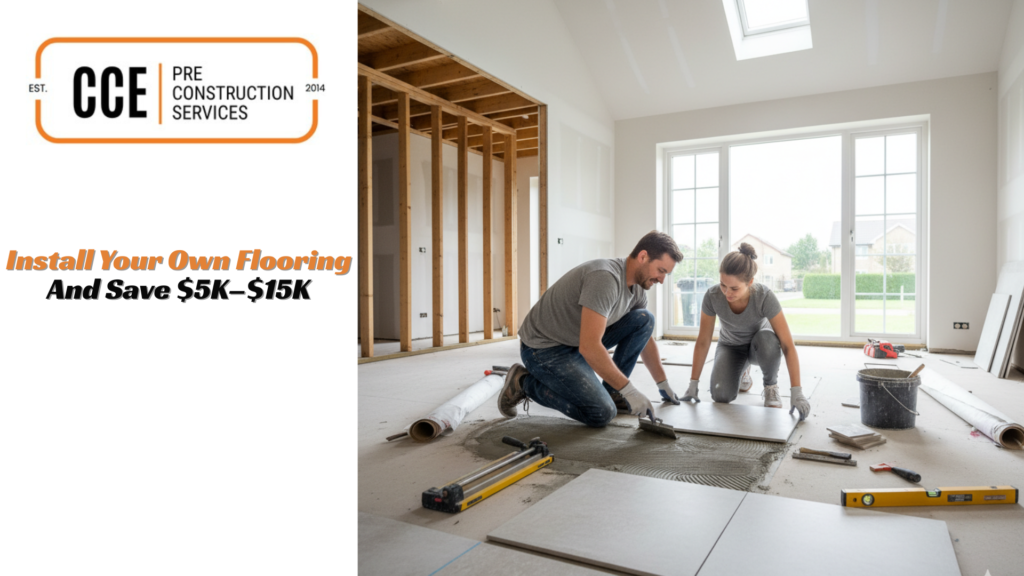
In this article, we’ll walk you through everything you need to know to install your own flooring safely, smartly, and affordably while keeping your project in line with professional construction cost estimation services.
A Look Back: How Flooring Evolved Over Time
Centuries ago, people lived in homes with dirt floors or stone slabs. As time passed, wood planks became popular, then came polished tiles, vinyl, and now modern laminate flooring and epoxy flooring.
Today, technology has made it easier for homeowners to take charge of installation themselves. With digital tools like a floor plan creator, 3D rendering of a house, or even affordable materials from stores like Home Depot Flooring, you can visualize and plan every step of your project before lifting a single plank.
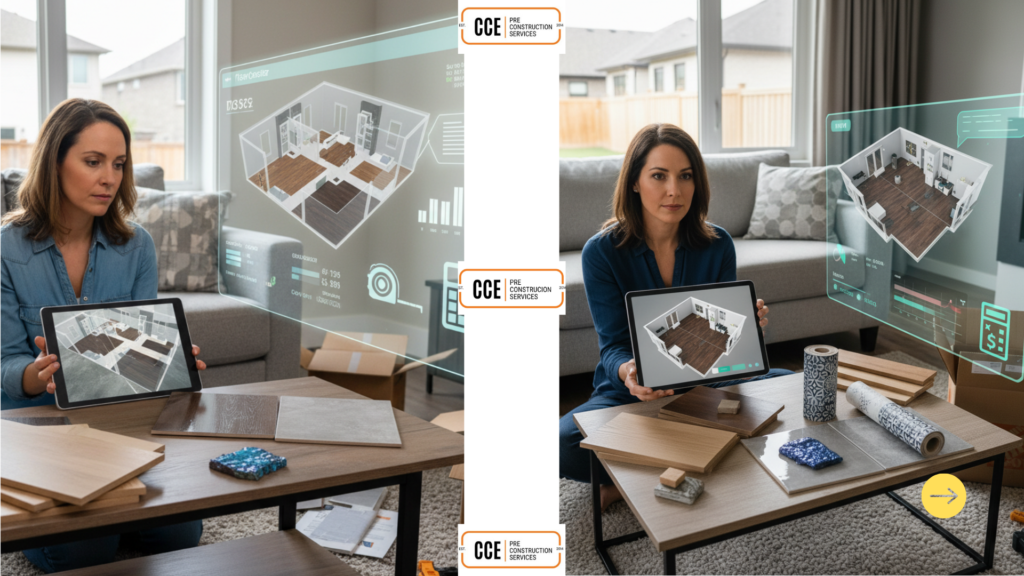
And with expert guidance from Construction Cost Estimation Service (C.C.E) a trusted name in the U.S., U.K., and Canada you can estimate costs precisely and avoid the mistakes that lead to overspending.
Why DIY Flooring Installation Makes Sense
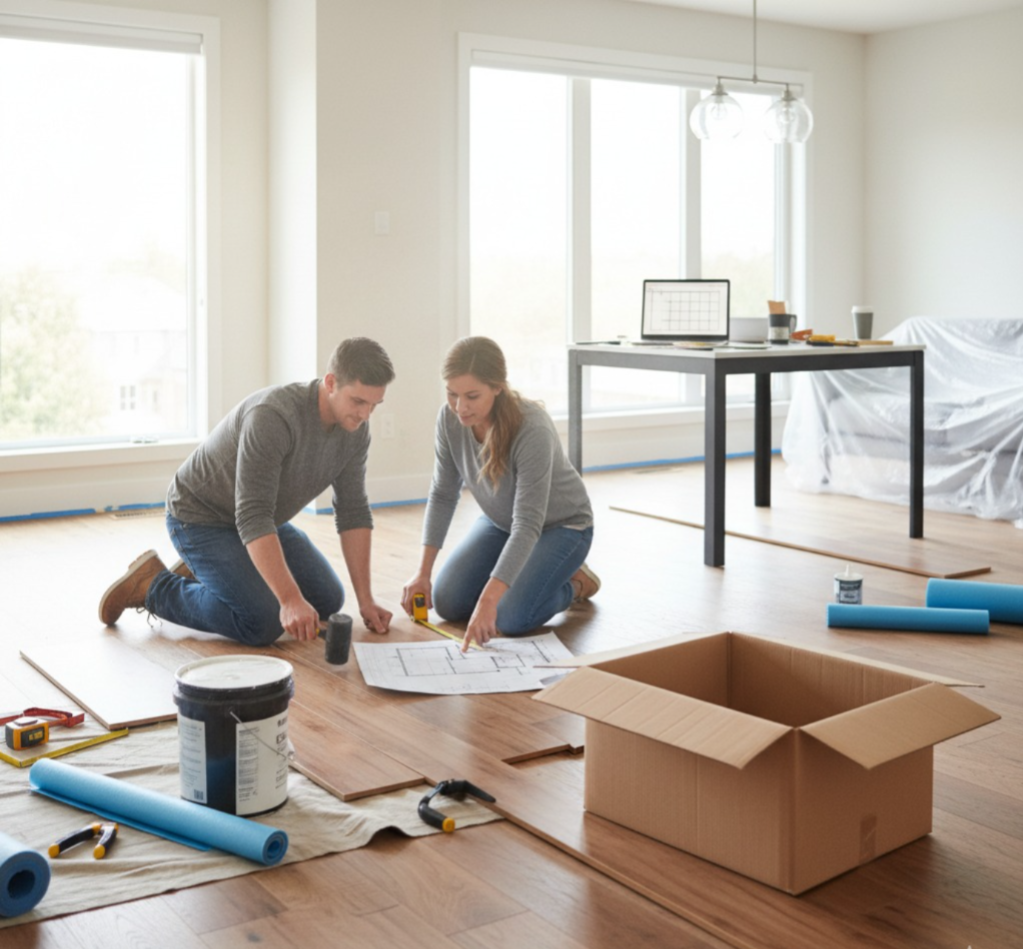
Hiring professionals can cost between $6–$12 per square foot in labor alone. For a 2,000 sq. ft. home, that’s around $12,000–$24,000. By learning to install your flooring yourself, you not only save that money you also gain full control over your design, materials, and timeline.
C.C.E provides detailed flooring cost estimator reports so homeowners can plan material budgets accurately. They use advanced takeoff tools that help you calculate everything from the number of planks to adhesive and underlayment making your DIY project smooth and predictable.
For those planning a full remodel or new home build, check out construction estimating for accurate project budgeting support.
Step-by-Step: How to Install Flooring and Save Thousands
1. Choose the Right Flooring Type
The first step is understanding what suits your home best:
- Laminate flooring – Affordable, durable, and easy to install using a simple click-lock system.
- Hardwood floors – A timeless classic that adds warmth and luxury but requires more effort and precision.
- Peel and stick floor tile – Great for beginners; perfect for small rooms or quick renovations.
- Epoxy flooring – Durable and sleek, ideal for garages and basements.
Use a flooring estimate calculator to understand material costs before you buy.
2. Measure Your Space Accurately
Before buying materials, create your floor plan using free design tools or software like 3D architecture software or free 3D model design software. Measure each room twice to ensure accuracy, including closets and hallways.
This helps you determine how much material you’ll need and prevents overspending on extra boxes.
3. Prepare the Subfloor
Your subfloor must be clean, dry, and level. Remove old flooring, check for damage, and repair cracks or uneven spots. Proper preparation prevents issues like creaking or gaps later on.
4. Gather the Right Tools
For a smooth installation, you’ll need:
- Utility knife
- Spacers
- Tape measure
- Floor roller (for adhesive tiles)
- Underlayment
- Transition strips
If you’re unsure how much these tools will cost, C.C.E’s Flooring Estimating Services provide a detailed cost breakdown.
5. Start Laying Your Floor
Follow the manufacturer’s pattern guide. Start from the longest wall and move across. Maintain consistent spacing to allow natural expansion.
For laminate or hardwood, use the click-lock or nail-down method. For peel and stick floor tile, press firmly and roll the surface to ensure adhesion.
6. Pay Attention to Details
Install trims and baseboards to finish the edges neatly. Add transitions between rooms and ensure doors can open smoothly after installation.
7. Don’t Forget About Underlayment and Insulation
A good underlayment provides soundproofing and moisture resistance. This small step can improve comfort and extend your flooring’s lifespan.
8. Estimate Total Costs Before You Begin
Before buying, use a flooring cost estimator or estimate flooring cost calculator to predict your expenses.
Here’s what you should consider:
- Material cost
- Tools and supplies
- Time and labor (if you hire help for complex tasks)
- Disposal or delivery fees
If you’re building a new home, combine this with a full Construction Estimating Service for complete financial clarity.
9. Learn From Other Homeowners
Online forums, YouTube tutorials, and communities are full of DIY flooring success stories. Many saved over $10,000 by following step-by-step guides.
You can also explore design inspiration from C.C.E’s article Design Your Perfect 2-Bedroom Apartment With A 3D Floor Plan.
10. Know When to Call the Experts
DIY can save you money, but some tasks like leveling concrete, waterproofing basements, or managing large commercial spaces may need professionals.
In such cases, you can rely on C.C.E’s expert teams for accurate takeoffs and construction cost estimation services in the U.S., U.K., and Canada. Their support ensures you save money without compromising quality.
Where You Can Find C.C.E
Construction Cost Estimation Service (C.C.E) proudly serves homeowners across the U.S., U.K., and Canada. From California to New York, and Toronto to London, they offer precise estimates to make your dream home affordable and achievable. Check the C.C.E Service Area Map to explore nearby locations.
FAQs
1. How Much Can I Save By Installing Flooring Myself?
Depending on the size and type of flooring, you can save between $5,000 and $15,000 on labor costs.
2. Which Flooring Is Easiest to Install for Beginners?
Laminate flooring and peel and stick floor tiles are beginner-friendly and affordable.
3. What Tools Do I Need for a DIY Flooring Project?
You’ll need a utility knife, tape measure, spacers, underlayment, and a roller for adhesive tiles.
4. Can I Estimate My Costs Before Buying Materials?
Yes! Use online flooring estimate calculators or contact C.C.E’s expert team for a professional home cost estimator report.
5. Where Can I Get Professional Help If I Get Stuck?
If you encounter major installation issues, contact Construction Cost Estimation Service (C.C.E) for accurate assistance and professional flooring estimating services.